Missing a tooth can affect more than just your smile; it impacts your ability to chew comfortably, speak clearly, and feel confident in social situations. If you’re exploring options for tooth replacement in Rochester, NY, you’ve likely encountered two popular solutions: dental implants and bridges. Both offer effective ways to restore your smile, but understanding their differences helps you make an informed decision that aligns with your oral health needs and long-term goals.
Understanding Your Options
What Are Dental Implants?
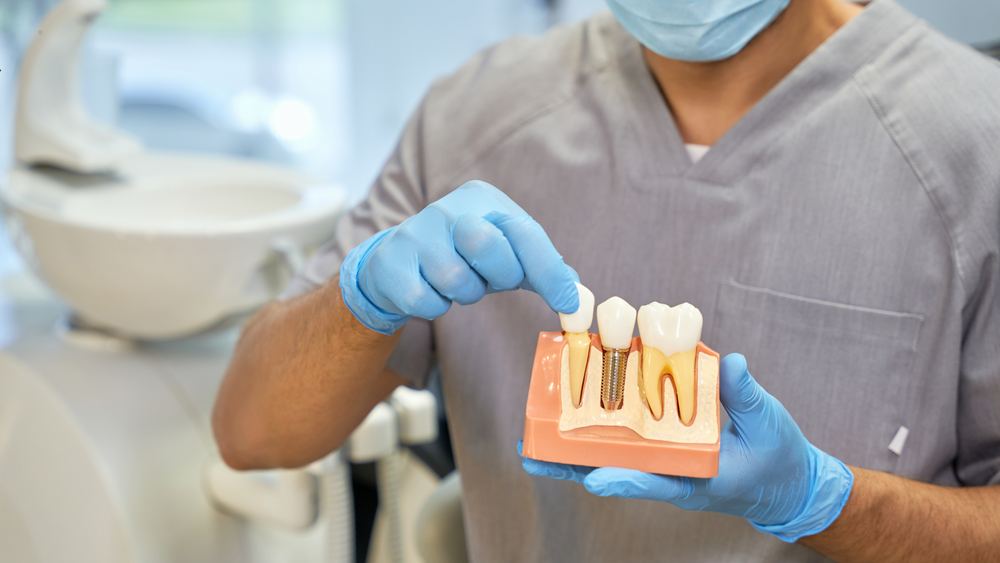
Dental implants are titanium posts surgically placed into your jawbone, acting as artificial tooth roots. A custom crown is then attached to the implant, creating a restoration that looks, feels, and functions like a natural tooth.
What Are Dental Bridges?
A dental bridge literally “bridges” the gap created by missing teeth in Rochester, NY, by anchoring an artificial tooth (or teeth) to the natural teeth on either side. These adjacent teeth are shaped and crowned to support the bridge, creating a fixed restoration that fills the space.
Key Differences That Matter to Your Health
Impact on Surrounding Teeth
One significant distinction involves how each option affects your existing teeth. Bridges require alteration of healthy adjacent teeth; they must be filed down to accommodate the supporting crowns. Once this enamel is removed, those teeth will always need coverage, even if they were previously healthy and strong.
Dental implants in Rochester, NY, are, conversely, self-supporting. They preserve the structure of surrounding teeth entirely, maintaining your natural dental anatomy and protecting the health of your other teeth.
Bone Preservation and Long-Term Oral Health
Your jawbone requires stimulation from tooth roots to maintain its density and volume. When you lose a tooth, the bone in that area begins to deteriorate, a process called resorption. This can affect your facial structure and oral health over time.
Dental implants placed into the jawbone provide this essential stimulation, helping preserve bone structure and facial contours for years to come. Bridges sit above the gum line without reaching the bone, offering no protection against bone loss over time. This difference becomes increasingly important as the years pass.
Longevity and Durability
Bridges typically last 10-15 years with proper care before requiring replacement. The supporting teeth may also become compromised over time, potentially necessitating additional dental work and investment.
Dental implants, when properly maintained, may last 25 years or longer; many patients enjoy them for a lifetime. Their exceptional durability makes them a long-term investment in your oral health and function.
Daily Care and Maintenance
Both options require commitment to excellent oral hygiene, and we’re here to guide you through the best practices for whichever solution you choose.
Bridges require special flossing techniques to clean beneath the artificial tooth, where food particles can accumulate. Implants are cleaned like natural teeth, though meticulous care around the gum line remains essential for preventing inflammation and maintaining optimal periodontal health.
When Each Option May Be Recommended
Your individual circumstances, health goals, and preferences guide the best choice for tooth replacement in Rochester, NY. During your consultation, we’ll discuss your unique situation with care and attention.
Bridges may be appropriate when:
- Adjacent teeth already require crowns or significant restoration
- Medical conditions make surgical procedures more complex
- You prefer a non-surgical approach
- Time considerations require a faster completion
Dental implants may be recommended when:
- Adequate jawbone density exists (or can be built through grafting)
- Preserving healthy adjacent teeth is a priority
- Long-term durability and bone preservation are important goals
- You want the restoration closest to natural tooth function and aesthetics
These recommendations are consistent with published expert consensus, which has identified implant-supported crowns and bridges as appropriate treatment options in several clinical scenarios involving adult patients with reduced dentitions..[1]
Frequently Asked Questions
How long does the implant process take?
A: The complete process typically takes 3-6 months, allowing time for the implant to integrate with your jawbone before placing the final crown. We’ll explain each phase so you know what to expect.
Are dental implants painful?
A: With appropriate anesthesia and, if needed, sedation options available, most patients report minimal discomfort during and after the procedure. Your comfort is our priority throughout every step.
Can I get an implant if I’ve had missing teeth for years?
A: Quite often, yes. Our experienced team will carefully evaluate your bone density and may recommend bone grafting if needed to support an implant successfully.
Will my bridge look natural?
A: Absolutely. Modern bridges are meticulously crafted to match your natural teeth in color, shape, and size, delivering seamless aesthetics that enhance your confidence.
Which option is easier to maintain?
A: Implants typically integrate more naturally into your oral hygiene routine, while bridges require specialized cleaning tools and techniques we’ll teach you.
Experience Care Beyond Your Expectations
Choosing between dental implants and bridges deserves thoughtful consideration with guidance from a specialist who truly prioritizes your individual needs and partners with you in your care. At Dental Implants and Periodontal Health of Rochester, we’re committed to helping you understand your options fully.
Ready to discuss your tooth replacement options in Rochester, NY, with our caring, experienced team? Contact us at (585) 685-2005 or visit our contact page to schedule your personalized consultation today. We look forward to welcoming you.
Sources:
[1]. https://www.sciencedirect.com/science/article/pii/S0300571222001816