If you’ve been told you need bone grafting before receiving dental implants, you’re not alone. Many patients in the Rochester, NY, area require this preparatory procedure to ensure successful, long-lasting tooth replacement. Understanding why bone grafting is sometimes necessary and what the process involves can help you approach your treatment with confidence and peace of mind.
At Dental Implants and Periodontal Health of Rochester, we provide comprehensive periodontal evaluations to determine the best path forward for your dental implant journey. Our board-certified team uses advanced diagnostic technology to assess your bone health and create individualized treatment plans that address your unique needs, comfort, and aesthetic goals.
Why Bone Loss Affects Dental Implant Placement
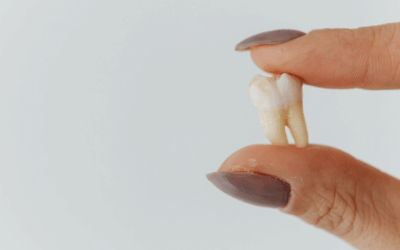
Your jawbone requires stimulation from tooth roots to maintain its density and volume. When you lose a tooth, changes in the surrounding alveolar bone begin during the healing process. Human re-entry studies showed horizontal bone loss of 29-63% and vertical bone loss of 11-22% after 6 months following tooth extraction.[1] This natural resorption process continues over time, potentially leaving insufficient bone structure to support a dental implant in Rochester, NY.
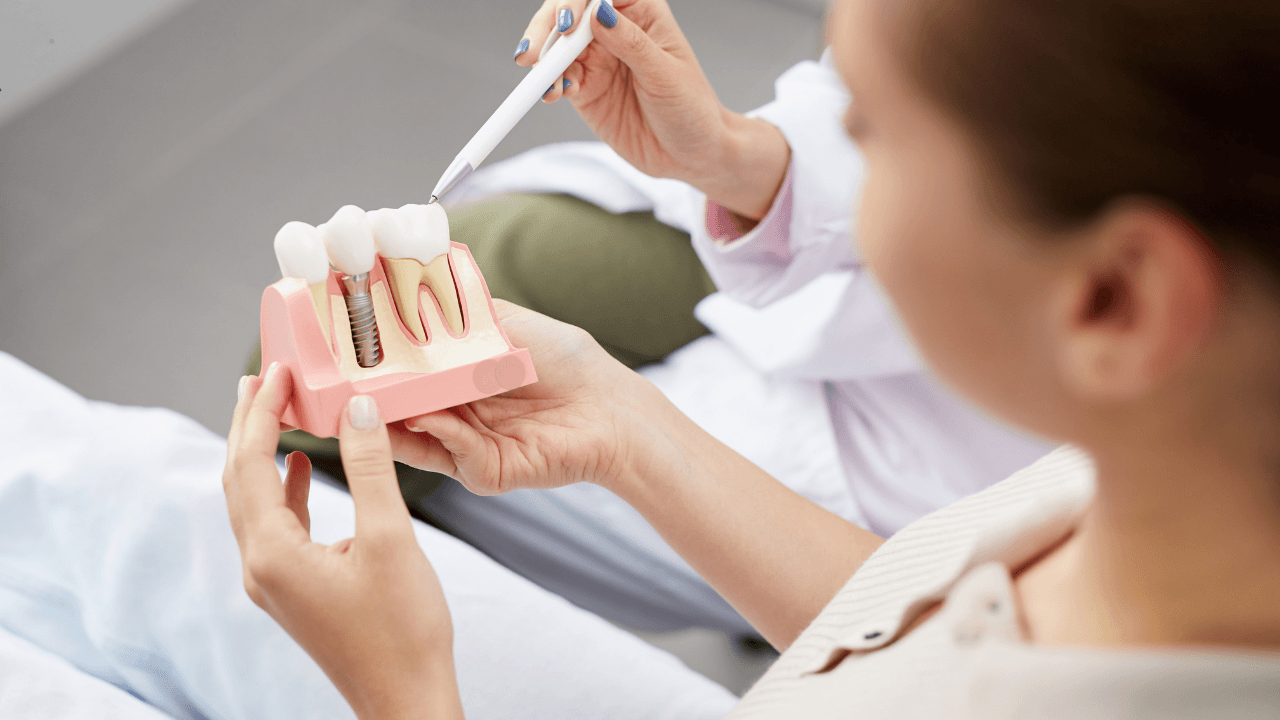
Dental implants function like artificial tooth roots, requiring adequate bone height, width, and density for stable integration. Without sufficient bone, implants cannot properly fuse with the jaw, compromising their stability and long-term success. Learn more about what causes tooth and bone loss.
When Is Bone Grafting Necessary for Tooth Implants in Rochester, NY?
Several factors determine whether you need bone grafting before receiving dental implants:
- Time since tooth loss – Extended periods without teeth lead to significant bone deterioration
- Gum disease history – Periodontal disease destroys bone supporting teeth
- Tooth extraction trauma – Difficult extractions or infections can damage surrounding bone
- Individual anatomy – Some patients naturally have thinner jawbone structure
- Sinus proximity – Upper back teeth may require sinus lift procedures for adequate bone height
During your consultation, we perform detailed imaging and assessment to evaluate your bone quality and determine the most appropriate treatment approach.
How Bone Grafting Supports Successful Outcome of Dental Implants Rochester, NY
Bone grafting rebuilds lost bone structure by placing grafting material where bone volume is insufficient. This material serves as a scaffold, encouraging your body to generate new bone tissue over several months.
Several bone grafting options exist, including natural bone from your own body, processed donor bone, or synthetic materials. We’ll recommend the most suitable option based on your specific situation, health considerations, and treatment goals, because every patient deserves a personalized approach.
Bone augmentation can help prepare implant sites where existing bone dimensions are inadequate. A systematic review and meta-analysis found that various modalities for primary lateral bone augmentation rendered implant placement feasible.[2]
What Recovery From Bone Grafting Involves
Recovery timelines vary depending on the grafting extent and location. Most patients experience:
- Mild discomfort managed with prescribed or over-the-counter medication
- Swelling that peaks within 48-72 hours
- Dietary modifications during initial healing
- Healing period of 3-6 months before implant placement
We provide detailed aftercare instructions and remain available to address any concerns throughout your recovery. What to expect with bone graft recovery: Our holistic approach considers your comfort, health, and overall well-being at every stage, ensuring you feel supported throughout your healing journey.
Frequently Asked Questions
Does bone grafting hurt?
The procedure is performed under appropriate local anesthesia, and we offer sedation dentistry options for anxious patients. Post-procedure discomfort is typically manageable with medication, and we’ll ensure you’re comfortable throughout the process.
How long does bone grafting take to heal?
Most bone grafts require 3-6 months to fully integrate before dental implant placement can proceed.
Will insurance cover bone grafting for dental implants in Rochester, NY?
Coverage varies by plan. Our compassionate team can help you understand your benefits and explore financing options that fit your budget.
Can I get tooth implants in Rochester, NY, without bone grafting?
Some patients have adequate natural bone. Only a comprehensive evaluation can determine your specific needs and the best treatment path forward.
What is the success rate of bone grafting?
When performed by experienced, board-certified periodontal specialists using cutting-edge techniques, bone grafting has excellent success rates that support long-lasting dental implants.
Experience Care Beyond Your Expectations
Whether you need bone grafting, dental implants in Rochester, NY, or comprehensive periodontal care, our board-certified expertise and patient-centered approach ensure you receive uncompromising quality and compassionate attention at every visit.
Ready to restore your smile with confidence? We’re here to guide you every step of the way. Contact Dental Implants and Periodontal Health of Rochester at (585) 685-2005 or visit our contact page to schedule your comprehensive evaluation. Let’s work together to create your personalized treatment plan and help you achieve the healthy, beautiful smile you deserve.
Sources:
[1]. https://pubmed.ncbi.nlm.nih.gov/22211303/
[2]. https://pubmed.ncbi.nlm.nih.gov/30624791/