When you’re facing tooth loss, you want a solution that looks natural, functions seamlessly, and lasts for years to come. At Dental Implants and Periodontal Health of Rochester, we understand that choosing between dental implants Rochester NY options can feel overwhelming. Whether you need to replace one tooth or several adjacent teeth, understanding the difference between a single tooth implant and an implant-supported bridge is essential for making an informed decision about your oral health.
Understanding Single Tooth Implants
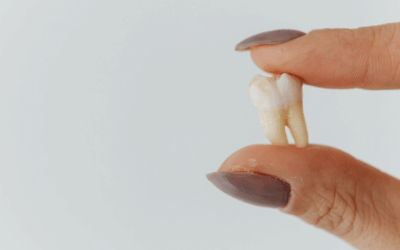
A single tooth implant replaces one missing tooth from root to crown. This treatment involves placing a titanium post into your jawbone, which acts as an artificial root. After the implant integrates with your bone through a natural healing process, a custom crown is attached, creating a restoration that looks, feels, and functions like your natural tooth.
Benefits of single-tooth implants include:
- Preservation of adjacent healthy teeth (no grinding down neighboring teeth)
- Independent support that doesn’t rely on other teeth
- Natural appearance and function
- Prevention of bone loss in the jaw
- Easy maintenance with regular brushing and flossing
- Long-term durability and stability
When an Implant-Supported Bridge Makes Sense
An implant-supported bridge uses two or more dental implants to support multiple replacement teeth. Research has found that a two-unit implant-supported restoration can be a viable alternative to placing two separate single-implant crowns when replacing adjacent missing teeth, particularly in the esthetic zone.[1]
This tooth replacement Rochester, solution offers significant advantages when:
- Multiple adjacent teeth are missing
- Jawbone density is sufficient to support implants at specific locations
- You want a fixed (non-removable) restoration
- Cost efficiency is important when replacing several teeth
- You desire a comprehensive solution that restores full function
How Your Periodontal Health Influences Treatment Planning
Your gum health and jawbone density play crucial roles in determining which option suits you best. Healthy bone structure is essential for implant success, regardless of which approach you choose. At our Rochester practice, our board-certified periodontal team conducts comprehensive evaluations using advanced diagnostic technology. This personalized assessment examines:
- Current jawbone density and quality
- Gum tissue health
- Position of surrounding teeth
- Bite alignment and function
- Overall oral health status
- Your unique aesthetic goals and comfort needs
Preserving Your Natural Teeth: A Priority
One significant advantage of tooth implants in Rochester solutions is their ability to preserve your remaining natural teeth. Traditional bridges require reshaping adjacent healthy teeth to serve as anchors, permanently altering their structure. Implant-supported options eliminate this need, allowing your natural teeth to remain untouched and intact.
The Importance of a Personalized Evaluation
Every patient’s situation is unique, and we honor that individuality in everything we do. Factors including the location of missing teeth, your bone health, aesthetic goals, budget considerations, lifestyle, and overall health all influence which dental implant in Rochester, option will deliver the best long-term results for your specific needs.
During your consultation at Dental Implants and Periodontal Health of Rochester, you become part of the treatment planning team. We listen carefully to your concerns, explain your options thoroughly in language you can understand, and work collaboratively to develop a personalized treatment plan that addresses your health, comfort, aesthetics, and overall well-being.
Frequently Asked Questions
How long do dental implants last?
A: Dental implants can provide long-term tooth replacement, although individual outcomes vary. A systematic review of studies with at least 10 years of follow-up reported that based on patient-level and implant-level data, implant survival reached 93.8% and 95.0%, respectively.[2] Regular maintenance and good oral hygiene are essential for ensuring longevity and optimal function.
Is the implant procedure painful?
A: Your comfort is our priority. We offer sedation dentistry options to ensure you feel relaxed and comfortable throughout the procedure. Most patients report minimal discomfort during recovery, and we provide detailed aftercare instructions.
How many implants does a bridge require?
A: Typically, two implants can support a bridge replacing three or four teeth, though your specific needs and bone structure will determine the exact treatment plan we recommend together.
Can I get implants if I have gum disease?
A: Periodontal health must be addressed first for optimal implant success. As periodontal specialists, we can effectively treat gum disease before proceeding with implant placement, ensuring the best foundation for your restoration.
What’s the recovery time?
A: Initial healing takes a few days to a week, while complete bone integration typically requires 3-6 months before final restoration placement. We’ll support you throughout your healing journey.
Discover Your Ideal Tooth Replacement Solution
Choosing between a single-tooth implant and an implant-supported bridge deserves expert guidance from a board-certified specialist who truly cares about your outcome. At Dental Implants and Periodontal Health of Rochester, we deliver care beyond your expectations with personalized attention, advanced expertise, and a genuine commitment to your well-being.
Ready to restore your smile and confidence? Contact our Rochester periodontal practice today at (585) 685-2005 to schedule your comprehensive evaluation. We’re here to help you make the best decision for your smile.
Sources:
[1]. https://pmc.ncbi.nlm.nih.gov/articles/PMC10728520/?utm_source
[2]. https://pubmed.ncbi.nlm.nih.gov/27314122/