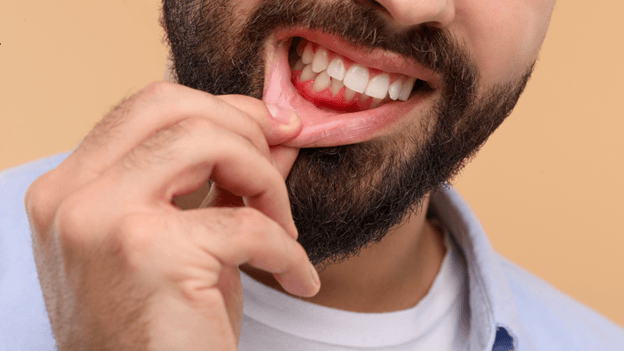
Have you noticed your teeth looking longer than they used to, or experienced sudden sensitivity when drinking cold beverages? These could be early signs of gum recession that Rochester residents should watch for. While gum recession is a common dental concern, understanding its causes and recognizing warning signs early can help you maintain optimal oral health and prevent more serious complications down the road.
At Dental Implants and Periodontal Health of Rochester, we believe that informed patients are empowered patients.
Understanding Gum Recession
[FAQ: What is gum recession?] Gum recession occurs when the gum tissue surrounding your teeth gradually pulls back or wears away, exposing more of the tooth or even the tooth root. This process can happen so slowly that you might not notice it until sensitivity or cosmetic changes become apparent. The prevalence of periodontal disease continues to be an important public health problem in the United States, as 2 in 5 adults are affected by some form of this disease.[1]
Common Causes of Gum Recession
Aggressive Brushing Habits
Many well-intentioned patients brush too hard, believing it leads to cleaner teeth. Unfortunately, excessive force and hard-bristled toothbrushes can actually wear away delicate gum tissue over time. Think of your gums like fine fabric; gentle care preserves them better than aggressive scrubbing.
Periodontal Disease
Gum disease remains one of the leading causes of gum recession Rochester patients experience. Bacterial infections destroy gum tissue and the supporting bone structure that holds teeth in place. Early intervention is crucial to prevent progression. Understanding the symptoms of gum disease can help you identify problems before they lead to recession.
Bite Pressure and Teeth Grinding
Misaligned teeth or habitual teeth grinding (bruxism) create uneven forces that can contribute to gum recession. Bruxism and periodontal disease are closely related conditions that deserve careful attention. These pressure points gradually damage the supporting structures around affected teeth.
Genetic Factors
Can gum recession be genetic? Yes, some individuals are simply more susceptible to gum recession due to their genetic makeup, regardless of their oral hygiene habits. If gum problems run in your family, extra vigilance becomes even more important.
Other Contributing Factors
- Orthodontic treatments
- Tobacco use
- Hormonal changes
- Lip or tongue piercings that irritate the gum tissue
- Insufficient dental care
Early Warning Signs to Watch For
Increased Tooth Sensitivity
One of the first symptoms many Rochester patients notice is heightened sensitivity to hot, cold, or sweet foods and beverages. This occurs because gum tissue no longer covers the exposed root surface, leaving the more sensitive dentin vulnerable.
Visual Changes
Your teeth may appear longer than before, or you might notice a visible line where the tooth color changes near the gum line. Gaps may develop between teeth that weren’t there previously—subtle changes that deserve professional evaluation.
Tender or Bleeding Gums
While these symptoms often indicate gingivitis, they can also accompany gum recession, especially when caused by periodontal disease. If you’re wondering why your gums bleed after flossing, it’s worth getting evaluated by a specialist who understands your concerns.
Risks of Untreated Gum Recession
Ignoring gum recession can lead to serious consequences that affect both your oral health and overall well-being:
- Root Exposure: Tooth roots lack protective enamel. When they are exposed due to gum recession, they are vulnerable to decay
- Bone Loss: Progressive recession often signals underlying bone deterioration
- Tooth Instability: Advanced cases may result in loose teeth or tooth loss
- Aesthetic Concerns: Receding gums can significantly impact your smile’s appearance and confidence
Learn whether gum recession is a serious problem and understand the potential long-term impacts on your oral health.
When to Seek a Periodontal Evaluation
[FAQ: When should I see a periodontist for gum recession?] Schedule an evaluation if you notice any warning signs mentioned above. Early detection allows for conservative treatment options that can prevent the need for more extensive procedures later. We encourage you to trust your instincts; if something feels different, it’s worth discussing with your periodontal team.
As board-certified periodontal specialists, we at Dental Implants and Periodontal Health of Rochester utilize the most advanced diagnostic techniques to assess gum health comprehensively.
Our Approach to Gum Health
We view you as part of our care team, working collaboratively to develop personalized treatment plans that address your unique needs, comfort, and long-term goals. Whether you require guidance on proper brushing techniques, treatment for underlying periodontal disease, or evaluation for gum recession surgery, Rochester specialists can provide it; we’re here to support your journey to optimal oral health.
Our holistic approach considers not just your immediate symptoms but also your overall wellness, comfort, and long-term health goals.
Take the Next Step for Your Gum Health
Don’t wait until the gum recession becomes a serious problem. Early intervention provides the best outcomes and preserves your natural smile. Contact Dental Implants and Periodontal Health of Rochester today at (585) 685-2005 to schedule your comprehensive periodontal evaluation.
Source
[1] https://www.nidcr.nih.gov/research/data-statistics/periodontal-disease/adults